Support our Think Equal programmes
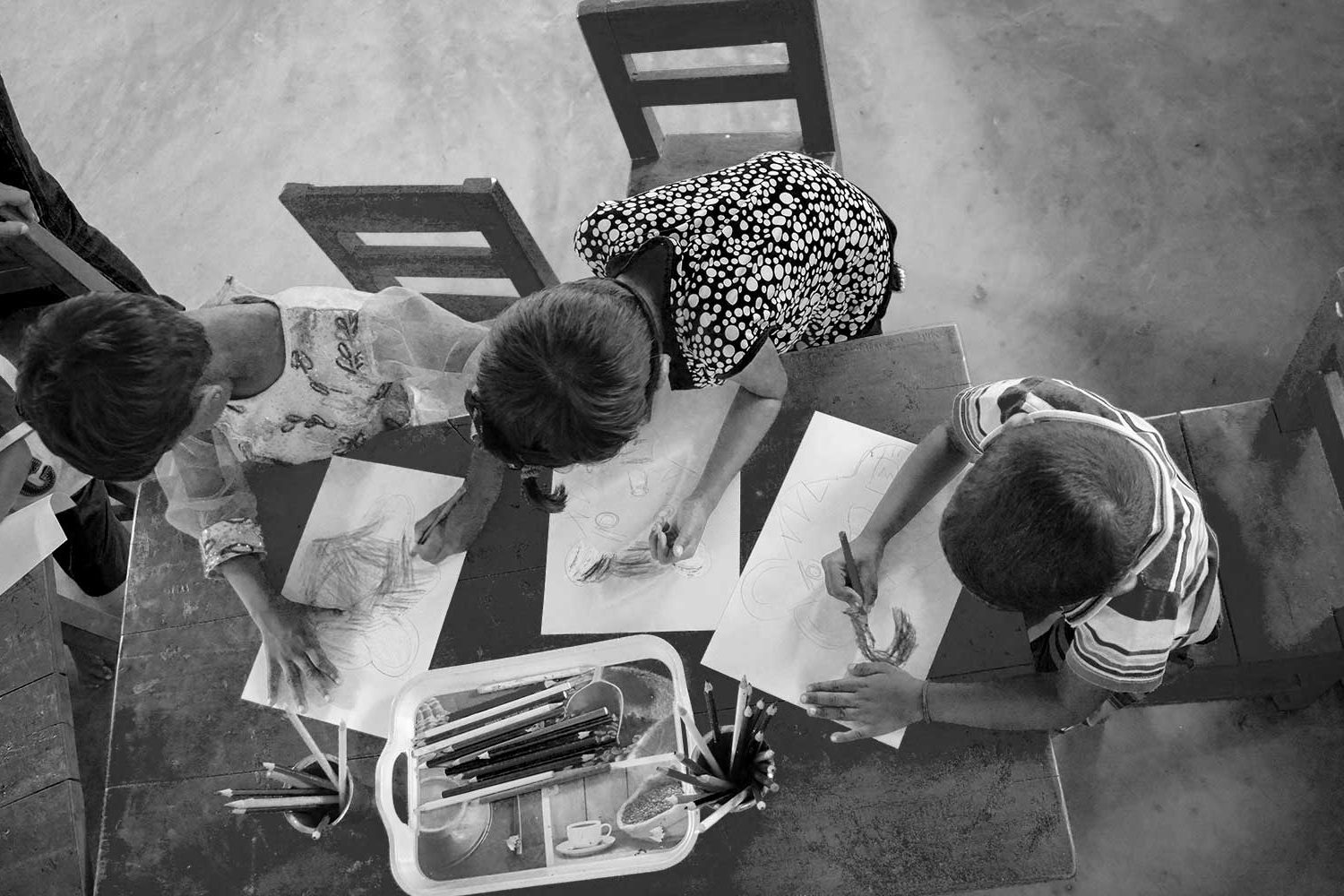
For every $25 you donate, we can provide 10 children with social and emotional learning to last the rest of their lives. Your donation goes directly to supporting our cause.
Grow life-long happy children
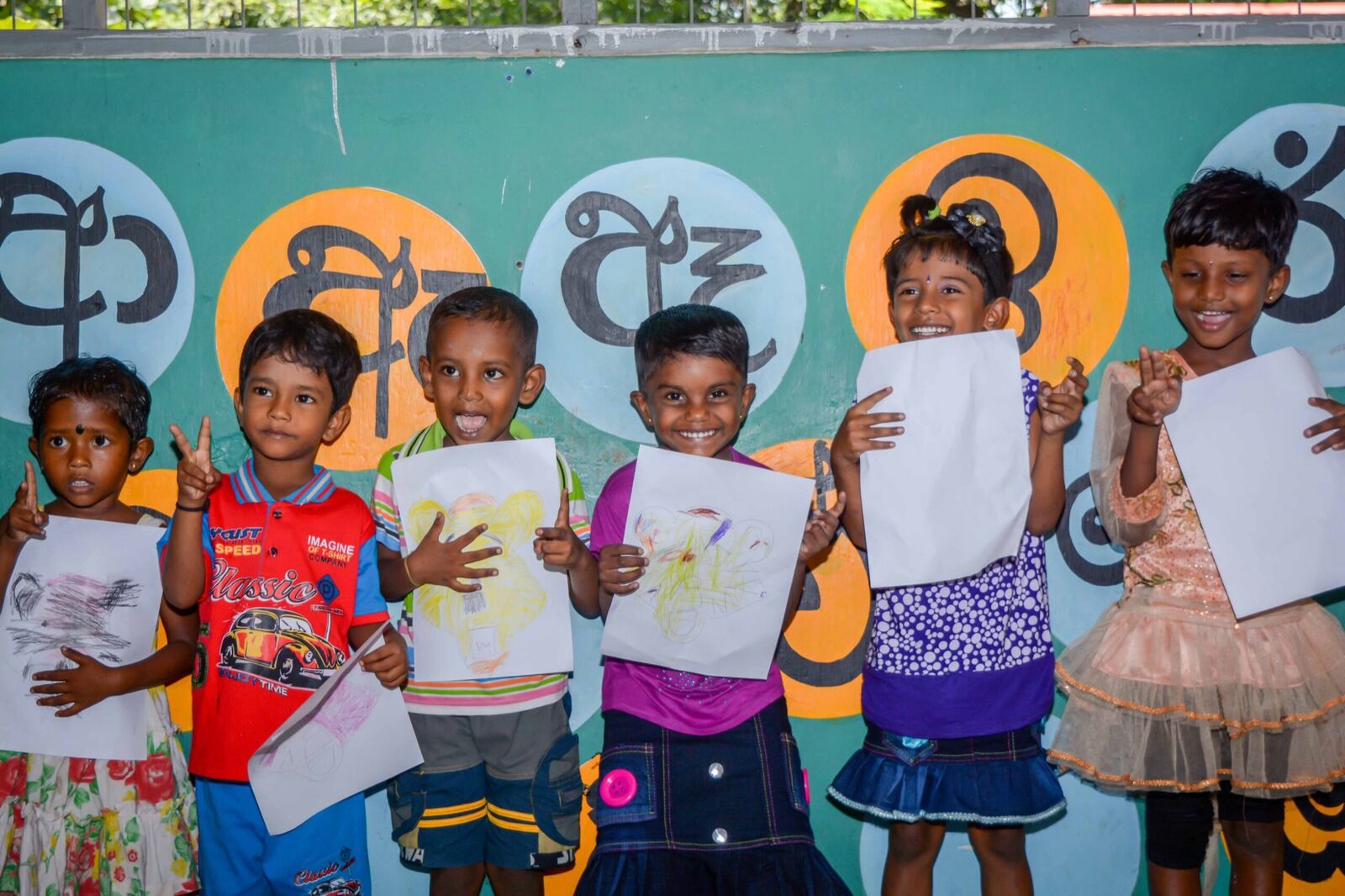
Our mission is to teach all children that all humans are equal and equally to be valued. We want to eliminate discrimination, disrespect and violence from the next generation, and bring empathy, wellbeing, loving relationships, pro-social behaviours and attitudes in their place.
Our reach
Thanks to generous and committed supporters, we have reached:
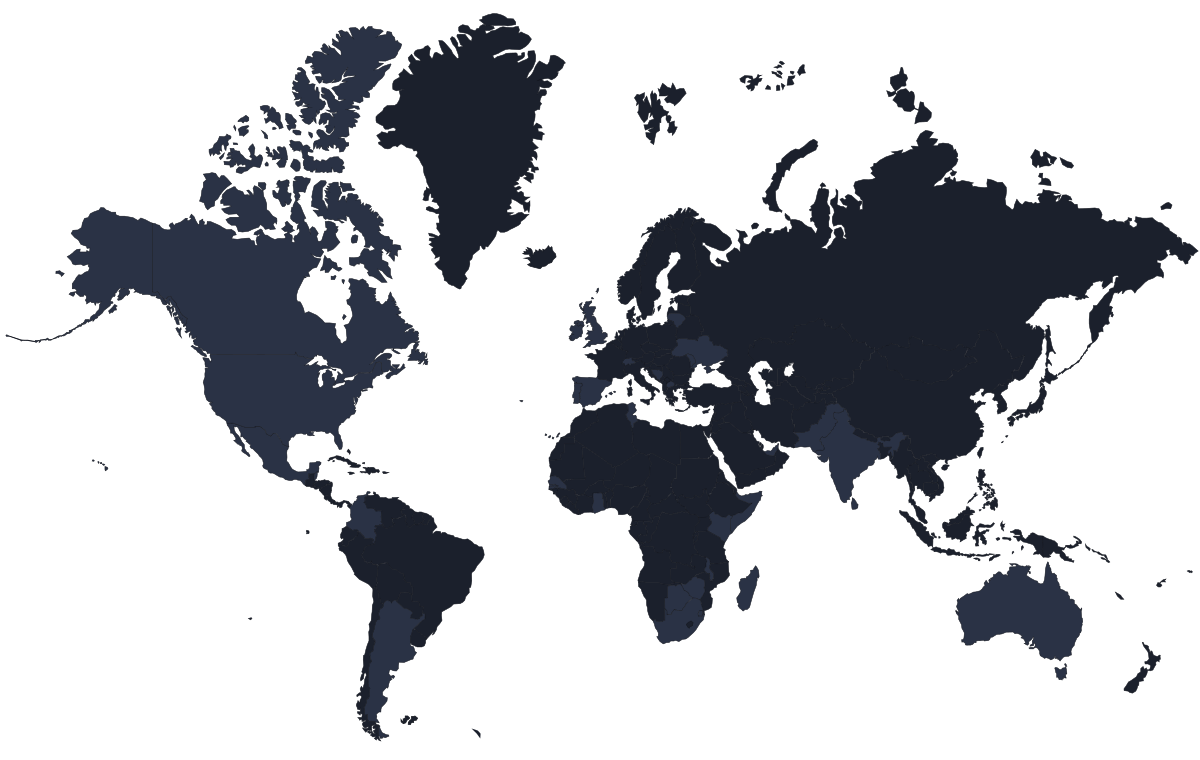
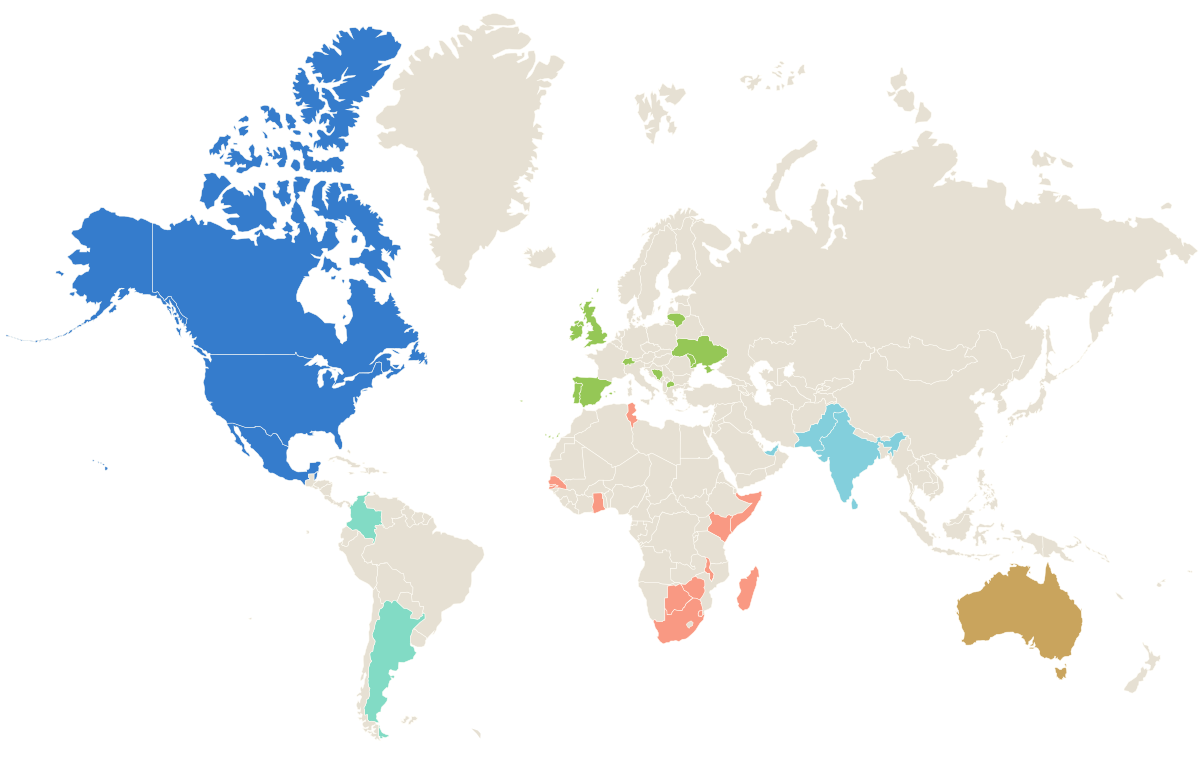
Swipe the map to see every continent.
1,059,080Children
50,000+Classrooms
50Languages
Our strategy 2025–2030
TENS: the Think Equal New Strategy
- 10systems change commitments a year
- 20national curricula by 2030
- 25projects run by Ministries of Education
- 200,000children reached every year
Figures per country are a conservative estimate and do not include cumulative reach. Classrooms keep using the Think Equal materials beyond the first year.
What teachers say
“We fell in love with the project during the lockdown. It was absolutely brilliant to see what Think Equal put together. It was something we have been looking for for a while.”
 Helen Harris, teacher in London, UK
“The materials are very clear and age-appropriate; the storybooks are colourful, easy to read and have beautiful pictures for the learners to see and understand just by looking at them. The lesson plans are well laid out and the resource book is also very useful to carry out the lessons.”
“A little girl spoke not a word and showed no emotion or facial expressions at nursery. When we did the lessons with the self-portrait, that was the opportunity for her to express herself. All of a sudden, she started singing and dancing. She has become a different person and is talking all the time now.”